
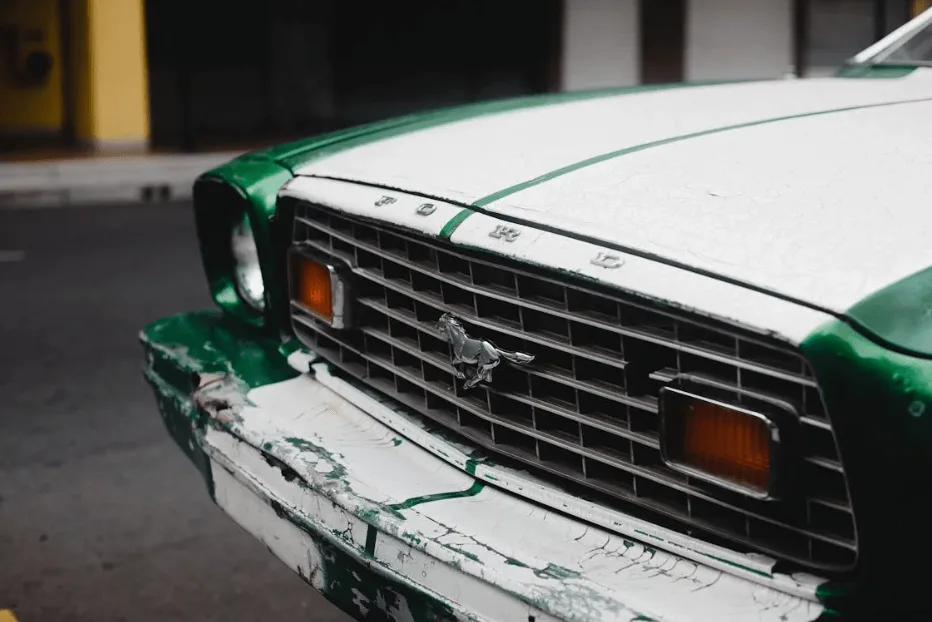
Ever wondered how to breathe new life into your car’s appearance? Worry not. Today, we’re diving into the world of ceramic coating removal. Whether you’re a car enthusiast or want your ride to look its best, this guide is for you. We’ll explore why you want to remove that old ceramic coating, how to do it safely, and the benefits of starting fresh. So, buckle up, and let’s get rolling!
What’s the Deal with Ceramic Coatings?
Ceramic coatings, oh boy, they’re like superhero suits for cars! These high-tech formulas bond with your car’s paint, creating a protective layer that’s tough as nails. They’re great for repelling water, dirt, and even those pesky UV rays. But here’s the kicker – they don’t last forever.
Over time, even the best ceramic coatings can wear down. They might start to look a bit patchy or just not perform like they used to. That’s when you might start thinking about removing the old coating and giving your car a fresh start.
But why go through all that trouble? Well, my friend, there are some pretty compelling reasons to consider hitting the reset button on your car’s protection.
Why Bother Removing Your Old Ceramic Coating?
Alright, let’s get down to brass tacks. Removing your old ceramic coating isn’t just about being fickle. There are some solid reasons why you might want to consider this option:
- Uneven wear and tear: Over time, your coating might start to look like a patchwork quilt. Not exactly the sleek look you’re going for, right?
- Prepping for a new look: Planning to repaint or wrap your car? That old coating’s gotta go first.
- Switching up your protection game: Maybe you’ve heard about a new and improved coating and want to give it a whirl.
- Correcting application mishaps: Let’s face it, sometimes DIY jobs don’t go as planned. Removing a botched coating gives you a do-over.
But here’s the real kicker – the benefits of starting fresh are pretty awesome. You’re looking at:
- A chance to address any paint imperfections that were hiding under the old coating
- The opportunity to apply a newer, possibly more advanced coating
- A return to that showroom-fresh look that’ll make your neighbors green with envy
So, ready to roll up your sleeves and get to work? Great! But before we dive into the nitty-gritty, let’s talk about what you’re dealing with.
Understanding the Beast: Ceramic Coating Composition
Ceramic coatings aren’t your run-of-the-mill car wax. These bad boys are made of some pretty sophisticated stuff. We’re talking about a liquid polymer that, when applied to your car’s exterior, creates a chemical bond with the factory paint. This bond is so strong that it can last for years with proper care.
The main ingredient in most ceramic coatings is silicon dioxide (SiO2), sometimes mixed with titanium dioxide (TiO2). This combo creates a super hard, glass-like surface that’s resistant to scratches, chemicals, and UV rays.
But here’s the rub – this durability is a double-edged sword when it comes to removal. You can’t just wash it off with soap and water. Nope, you’ll need to bring out the big guns. But don’t worry, we’ll get to that.
Signs It’s Time to Bid Farewell to Your Ceramic Coating
So, how do you know when it’s time to say goodbye to your trusty ceramic coating? Well, there are a few telltale signs:
- Water doesn’t bead up like it used to
- Your car’s surface feels rough or gritty
- You notice swirl marks or light scratches that weren’t there before
- The shine just isn’t what it used to be
If you’re nodding your head to any of these, it might be time to consider removal. But before you jump in, let’s talk about your options.
Weighing Your Ceramic Coating Removal Options
When it comes to removing ceramic coatings, you’ve got two main choices: chemical removal or mechanical removal. Each has its pros and cons, so let’s break it down:
Chemical Removal
This method uses specially formulated products to break down the ceramic coating. It’s less abrasive than mechanical removal, which is a plus for your paint job. However, it can be time-consuming and may require multiple applications.
Pros:
- Gentler on your car’s paint
- Can be effective on newer or thinner coatings
Cons:
- Takes longer than mechanical removal
- May not be as effective on older, well-bonded coatings
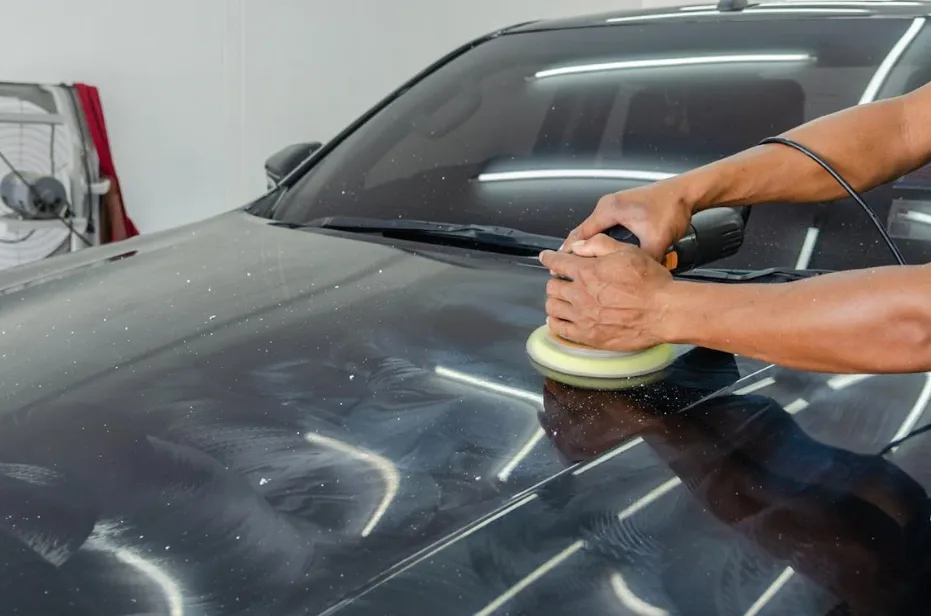
Mechanical Removal
This approach involves using abrasive materials, like polishing compounds and pads, to physically remove the coating. It’s faster than chemical removal but requires more skill to avoid damaging the paint underneath.
Pros:
- Quicker results
- Can remove even stubborn, well-bonded coatings
Cons:
- Requires more skill and care to avoid damaging the paint
- Can be more aggressive on your car’s surface
Choosing between these methods depends on factors like the age and condition of your coating, your comfort level with car detailing, and the tools you have at your disposal. When in doubt, it’s always best to consult a professional.
DIY Ceramic Coating Removal: A Step-by-Step Guide
Feeling brave? If you’ve decided to tackle this job yourself, here’s a step-by-step guide to help you through the process. Remember, patience is key!
1. Gather your materials
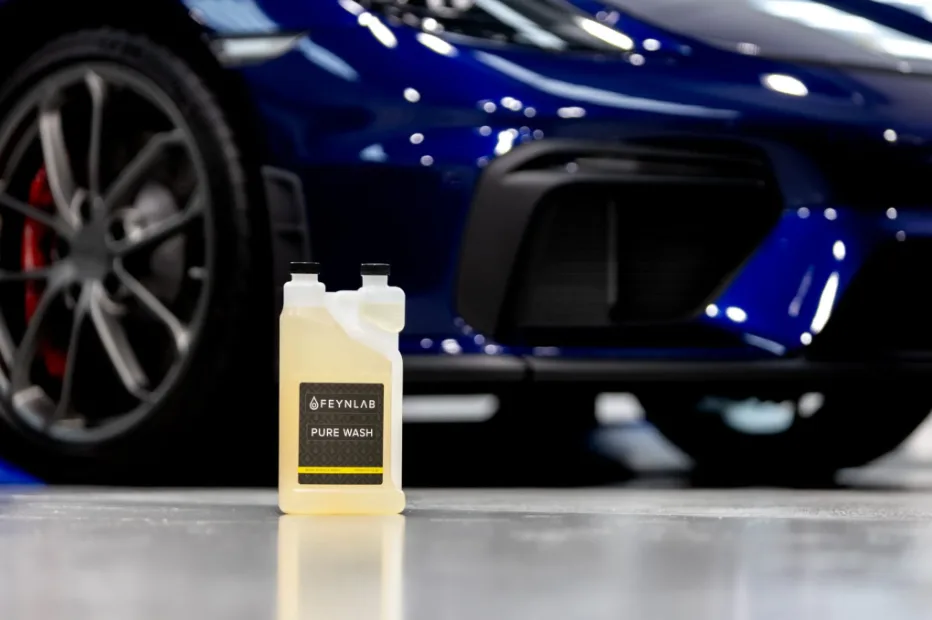
- Chemical stripper (if using chemical removal method)
- Polishing compound and pads (if using mechanical removal)
- Microfiber towels
- Clay bar
- Car wash soap
- Protective gear (gloves, safety glasses)
2. Prep your car
- Wash your car thoroughly to remove any dirt or debris
- Clay bar the surface to ensure it’s completely clean
3. Apply your removal method For chemical removal:
- Apply the stripper according to the manufacturer’s instructions
- Let it sit for the recommended time
- Wipe off with a microfiber towel
- Repeat if necessary
4. For mechanical removal:
- Apply a small amount of polishing compound to your pad
- Work in small sections, using moderate pressure
- Wipe away the residue with a clean microfiber towel
- Repeat until the coating is fully removed
5. Inspect and clean
- Check your work under bright light to ensure all coating is removed
- Wash your car again to remove any leftover residue
6. Protect your freshly exposed paint
- Apply a sealant or wax to protect your paint until you’re ready to apply a new coating
Whew! It’s a bit of work, but the results are worth it. Your car will look amazing and be ready for whatever protection you choose to apply next.
Common Ceramic Coating Removal Mistakes to Avoid
Truth be told, even a professional installer can make mistakes, but you can learn from their experiences. Here are some common pitfalls to watch out for:
- Using the wrong products: Not all chemical strippers are created equal. Make sure you’re using one specifically designed for ceramic coatings.
- Rushing the process: Patience is a virtue, especially when it comes to coating removal. Take your time to avoid damaging your paint.
- Skipping the test spot: Always, always test your removal method on a small, inconspicuous area first.
- Forgetting proper safety gear: Protect yourself! Wear gloves and safety glasses when working with chemicals or abrasives.
By avoiding these mistakes, you’ll save yourself a lot of headaches (and potentially costly repairs) down the road.
Seeking Professional Help
If DIY isn’t the thing for you, sometimes, it’s best to leave it to the pros. Here are a few scenarios where you might want to consider professional help:
- You’re dealing with a particularly stubborn or old coating
- Your car is a valuable classic or has custom paintwork
- You’re not confident in your skills
- Time is of the essence, and you need the job done quickly and efficiently
Professional detailers have the experience, tools, and products to handle even the toughest ceramic coating removals. Yes, it’ll cost more than doing it yourself, but the peace of mind might just be worth it.
After the Removal: Caring for Your Newly Exposed Paint
So You’ve successfully removed that old ceramic coating, Great Job! But wait, there’s more! Now it’s time to give your car some proper maintenance to protect the paint:
- Gentle washing: Use a pH-neutral car shampoo and soft microfiber mitt to wash your car.
- Proper drying: Pat dry with a soft microfiber towel to avoid water spots.
- Paint correction: This is the perfect time to address any imperfections in your paint.
- New protection: Whether you’re applying a new ceramic coating or opting for a different form of protection, don’t leave your paint exposed for too long.
Remember, maintaining your car’s appearance is an ongoing process. With the right care, your car will continue to turn heads for years to come.
Wrapping It All Up
We’ve covered everything from understanding ceramic coatings to removing them and caring for your car afterward. It’s a journey, but the destination – a car that looks like it just rolled off the showroom floor – is well worth it. Remember, whether you choose to DIY or seek professional help, the key is to approach the process with patience and care. Your car is an investment, and treating it right will pay dividends in the long run.